
Why Professional Outdoor Lighting Beats DIY
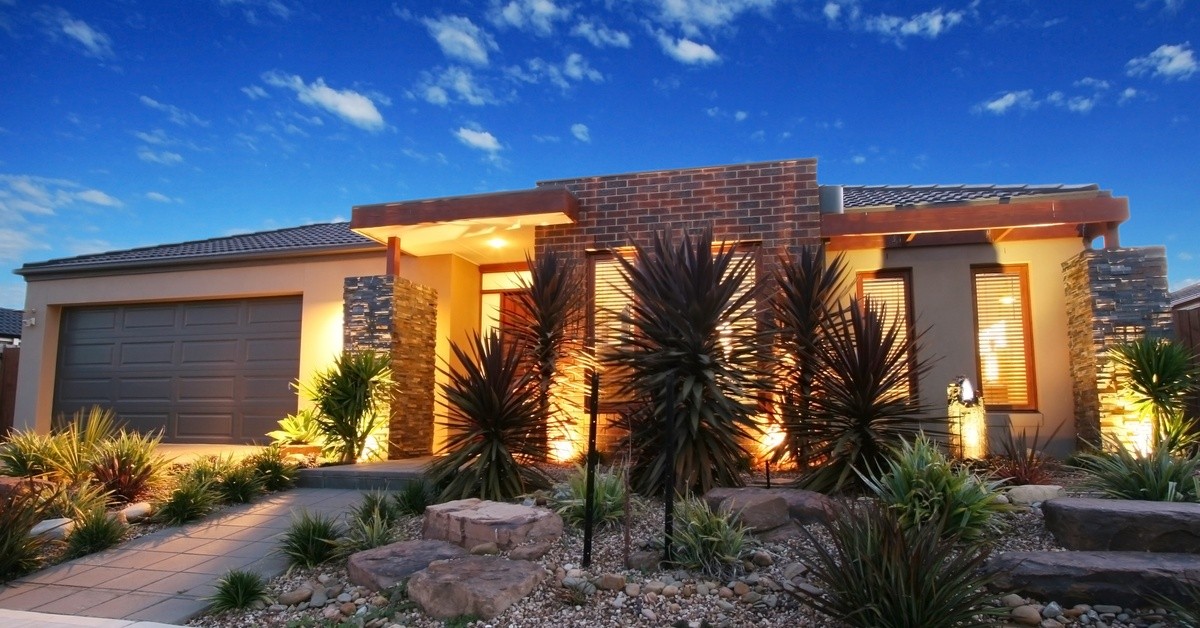
Outdoor lighting can completely change the way your home feels after sunset, but creating that effect takes more than placing a few fixtures around the yard. The most appealing lighting plans draw attention to the features you love while making the property feel comfortable and inviting at night. Achieving that balance is at the heart of why professional outdoor lighting beats DIY.
At first, DIY lighting can seem like a manageable home improvement project. Once you begin deciding what to illuminate, where fixtures should go and how different areas should work together, the project becomes more complicated. Professional planning brings those decisions together before installation begins, helping create a polished nighttime setting without relying on fixture-by-fixture guesswork.
DIY Lighting Can Get Complicated Quickly
Buying outdoor lights is the easy part. Deciding what each one should accomplish requires a clearer understanding of how the property will look once daylight disappears.
A fixture that seems well positioned during the day can produce an unexpected result at night. It may create distracting glare, cast an awkward shadow or leave the feature you wanted to showcase looking flat. Correcting one problem can then affect another area, creating a cycle of moving fixtures and experimenting with different placements.
Professional planning reduces much of that guesswork by considering the desired nighttime result before installation begins. Instead of asking where another light could fit, the process starts by determining where illumination will make a meaningful difference.
Professional Design Starts With What You Want to See
During the day, sunlight reveals the entire property at once. Outdoor lighting creates a different experience because homeowners can choose which features remain visually prominent after dark.
A mature tree may become a focal point when carefully directed light highlights its shape against the night sky. Interesting stonework or architectural details can gain dimension through carefully directed light. Other portions of the yard may need only subtle illumination so they support the overall scene without competing for attention.

Those decisions give professional design its purpose. The goal isn't maximum brightness across the property. A designer considers which elements deserve emphasis and how the illuminated areas should relate to one another from the places where homeowners and guests will actually see them.
Fixture Placement Changes the Finished Effect
Even an attractive, well-made fixture can't compensate for poor placement. The location and direction of a light influence what stands out, where shadows appear and whether the light feels comfortable when viewed from another part of the property.
This becomes especially important around prominent landscape and architectural features. Illuminating a feature from the wrong position can flatten its texture or direct unnecessary brightness toward people using the space. Careful placement lets the light reveal the feature without becoming the feature itself.
Professional experience also helps determine when an area doesn't need another fixture. Adding more light isn't always the solution to a dark spot, particularly when adjusting a nearby fixture can create a better visual relationship. Restraint can be just as important as illumination when the goal is a refined nighttime appearance.
A Property-Wide Plan Creates Better Visual Flow
Installing outdoor lighting one area at a time makes it easy to judge each fixture individually, but homeowners ultimately see the property as a connected environment once the entire system is on. Professional landscape lighting design considers how illuminated areas relate across the property, creating a natural visual flow from one space to the next.
Planning with that broader view also accounts for how the lighting appears from different perspectives around the property. When those sightlines inform fixture placement, the finished system can guide attention naturally without making every illuminated feature compete for it.
Installation Must Support the Design
Even with a thoughtful lighting plan in place, the finished result depends on installation that preserves the designer's original intent. Each fixture needs to sit where it can produce the intended effect without introducing glare or disrupting the balance between illuminated areas.
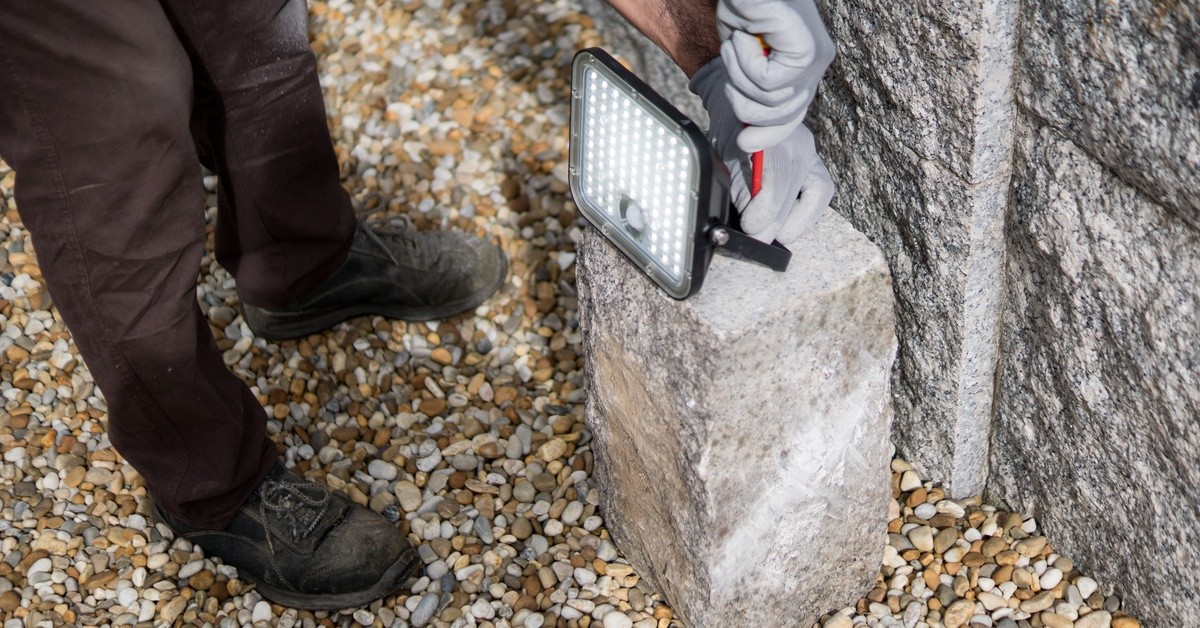
A fixture’s position can influence the appearance of the feature it illuminates as well as the view from elsewhere on the property. Careful installation accounts for both perspectives, helping the lighting feel integrated into the setting once darkness falls.
Professional installation connects the planning stage with what you ultimately see at night. When the placement reflects the design, the system can create the atmosphere envisioned from the beginning.
Custom Lighting Responds to the Property You Have
Because every property has its own combination of architecture and landscaping, the same lighting approach won't produce the same result from one home to another. The scale of the landscape and the features homeowners want to emphasize can shape where illumination belongs and how prominent it should feel after dark.
By starting with the existing property instead of applying a standard lighting formula, a designer can determine where illumination will have the greatest visual or practical impact. Some features may deserve greater emphasis, while other areas benefit from softer lighting that supports the overall setting without drawing attention away from the home's strongest features.
For homeowners who have already invested in their exterior spaces, that level of customization allows those surroundings to remain part of the home's character after sunset. Thoughtful lighting brings attention to existing landscape and architectural features while creating an evening setting that feels connected to the property itself.
Professional Lighting Also Leaves Room for Ongoing Care
Because an outdoor lighting system shares the landscape with plants that continue to grow and change, the original setup may need attention as the property evolves. Fixtures can require adjustment as foliage fills in, while existing systems may eventually need repairs or tune-ups to continue performing as intended.
Planning for ongoing care helps preserve the purpose of the original lighting design beyond installation day. Periodic adjustments can keep important features visible and maintain the lighting effects that make the property feel balanced after dark.
The Real Difference Shows Up After Dark
Once the sun goes down, the difference professional planning makes becomes easier to appreciate as carefully placed light brings out the character of the home and surrounding landscape. The property feels polished and inviting without making the individual fixtures the focus.
Seeing the home as a complete nighttime setting helps explain why professional outdoor lighting beats DIY. Each lighting choice contributes to the overall effect, allowing the features you already enjoy about your property to take on new dimensions after dark.
If you're considering outdoor lighting for your Tampa Bay property, Mighty Lights can create a custom system designed around your home and how you want to experience it after dark. Contact Mighty Lights to request a free lighting consultation.